How Outlet Pricing Works: A Practical Guide for Furniture Buyers
Discover the core models behind furniture outlet pricing, including overstock, end-of-life inventory, and factory outlets. This guide explains what to expect, typical warranties, and how to evaluate value at discount retailers. Written in a storytelling voice inspired by People magazine, it profiles three notable figures across time who shaped shopping cultures and informs today’s shoppers about how to navigate outlet pricing with confidence.
What is outlet pricing and how does it differ from regular retail?
Outlet pricing sits at the intersection of supply chain dynamics and consumer psychology. In regular retail, the price you see often reflects wholesale costs plus brand margin, with frequent promotional events that tweak the price over time. Outlet pricing, by contrast, operates with distinct models that can produce substantially lower sticker prices—yet the consumer must understand what kind of inventory sits behind those numbers.
There are several common pricing universes you’ll encounter when shopping for furniture at outlets:
- Factory Overstock: Surplus items that never made it to mainstream showrooms. These pieces are typically near-perfect in terms of fit, finish, and durability, but they might feature cosmetically minor flaws or be available in limited runs or discontinued fabrics.
- End-of-Life Inventory: The tail end of a line or a discontinued model. Prices are reduced to clear space for the next season’s lineup. Warranties often remain intact, but options for replacement parts or upholstery may be more limited.
- Customer Returns and Floor Models: Returns or showroom floor items that are repaired or certified for resale. These can offer substantial savings, but buyers should verify condition and any coverage limits.
- Outlet-Only Styles: Some outlets carry exclusive lines or factory-direct items not available in standard retail channels. These can offer compelling value but may require patience—assembly, lead times, and customization options can vary.
Understanding these categories helps you interpret price tags and manage expectations. The goal isn't to assume every discount is a miracle deal; it’s to discern where value truly lies—whether it’s construction quality, material integrity, warranty coverage, or the simple joy of finding a piece that fits your space at a price that makes sense.
How to assess quality and value when shopping outlets
Outlet shopping rewards a careful eye. Here are practical checks you can perform, whether you’re browsing online listings or strolling through a brick-and-mortar outlet:
- Construction and Frame: Look for solid-wood or reinforced plywood frames, corner joinery, and minimum 2–3 inch thick rails. A creak-free frame and snug joints translate into long-lasting stability.
- Upholstery and Cushions: When possible, inspect cushion cores (foam density, spring support). Check seam finishes, zippers, and fabric wear. Removable cushions and upholstery covers that are easy to clean add practical value.
- Materials and Finishes: Natural wood veneers with real wood edges often signal better durability than lightweight composites. Laminate or veneer that looks cheaply thin usually indicates lower long-term resilience.
- Hardware and Details: Examine drawer slides (prefer full-extension undermount or high-quality roller slides) and handles. Smooth operation is a predictor of longevity and daily ease of use.
- Measurements and Fit: Measure your space and doorways to ensure delivery compatibility. An item with perfect lines but the wrong dimensions is a missed opportunity rather than a bargain.
- Warranty and Return Policies: Warranties vary by brand and channel. Outlet tallies can be less forgiving; confirm what is covered, for how long, and how to initiate a return if needed.
- Scents of Credibility: Check return windows, delivery options, and customer service responsiveness. A trusted outlet or factory-direct brand typically offers transparent policies and accessible support.
These checks become your compass: they help you distinguish genuine bargains from items that seem deeply discounted but may incur later costs in repairs, replacements, or suboptimal fit.
Three key figures who shaped consumer perception of value across time
Elizabeth Arden (early to mid-20th century retail pioneer)
Elizabeth Arden isn’t a furniture figure, but her approach to brand storytelling and consumer trust reshaped how shoppers perceive value. She built a narrative around accessible luxury and standardized service, an ethos that echoed through later discount retailers who promised consistent experiences and predictable pricing. In the furniture world, this translates to a buyer’s confidence when a store presents clear warranty terms, visible construction criteria, and transparent pricing models—elements that help consumers discern quality beyond the price tag.
Jonathan Adler (mid-20th to 21st century design culture)
Though primarily a designer, Adler’s emphasis on form and function influencing price perception echoes in outlet pricing: buyers seek pieces that deliver style without paying for trends they don’t love. Outlet pricing benefits from timeless silhouettes and durable construction, which align with Adler’s design philosophy of enduring appeal. The conversation around value here shifts from “how cheap?” to “how well does this piece serve my space over time?”
Arianna Huffington (modern media literacy and consumer empowerment)
In today’s media landscape, Arianna’s emphasis on transparency inspires how outlets communicate pricing, warranties, and return policies. The modern consumer benefits from accessible guides that explain pricing models and debunk myths—exactly the kind of editorial clarity you’ll find in educational outlets that unwind the mystery of why a price is what it is, and whether that price is a fair reflection of value.
GuideWhat is a furniture outlet store?
Outlet stores originated as hubs for factory seconds, customer returns, and overstocks. They became destinations for bargain hunters and curious shoppers alike. A well-curated outlet offers a clear story: where inventory comes from, how it’s priced, and what trade-offs may exist in finish, fabrics, or delivery windows. The key is transparency: knowing which pieces are factory-direct and which are repurposed from end-of-life lines helps you make sense of the price signals and select items that align with your needs.
GuideOutlet pricing models in practice
Common models include: overstock discounts that reflect bulk procurement costs, end-of-life pricing that liberates slow-moving lines, and factory-direct pricing that streamlines margins. Each model has its own risk-reward profile. Overstock may hide cosmetic defects; end-of-life items may have reduced accessory availability; factory-direct items may come with longer lead times but superior customization options. Understanding these dynamics helps you place each item in the right category when comparing prices.
Printable checklists and quick-reference resources
To help readers take action, consider offering printable PDFs such as:
- Outlet Buying Checklist (quality, warranties, measurements)
- Glossary of Outlet Terms (factory outlet, overstock, clearance, end-of-life)
- Quick Comparison Sheet (prijzen, lead times, compatibility)
These assets reinforce editorial authority and provide practical value for readers who want a tangible takeaway.
Product spotlight: Cherry Moon Bed as a case study in value and craft
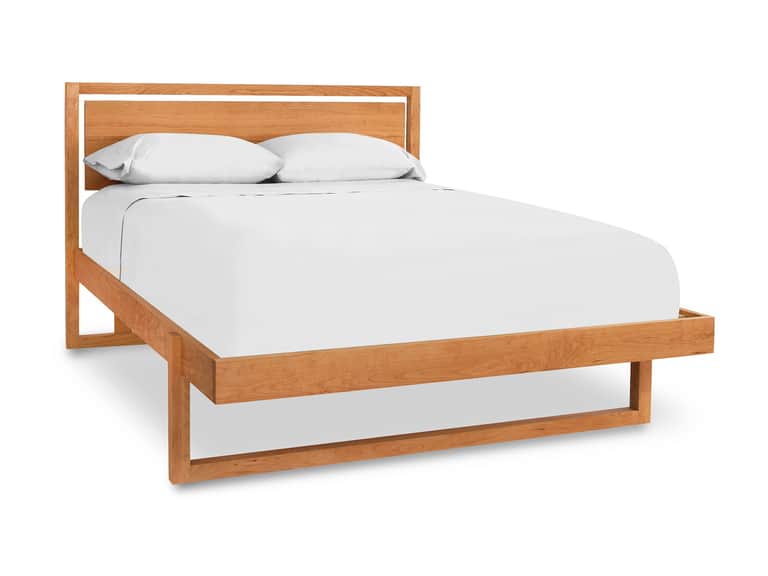
The Cherry Moon Bed exemplifies the high level of craftsmanship that often exists behind discount pricing. Handcrafted in Vermont from sustainably harvested woods, it showcases smooth arches and a reverse-tapered leg—a silhouette that remains elegant across decades. Available as a platform bed or with a traditional frame for a mattress, the Cherry Moon Bed demonstrates how solid wood construction and thoughtful joinery can sustain both beauty and utility, even when encountered in an outlet setting.
Price-wise, the bed sits at a practical mid-to-high tier for solid-wood bedroom furniture, making it a compelling choice for buyers who value longevity and regional craftsmanship. The bed comes with a no-VOC finish in certain variants and can be customized in size and wood type to fit your room and design sensibilities.
Cherry Moon Bed
Vermont Furniture Designs
Price: 3066.00 USD
Images are available upon request; the product is shown here to illustrate design language and value alignment rather than as a direct purchase prompt.
Key takeaways for shoppers
- Outlet pricing reflects inventory dynamics that differ from regular retail. Identify which category your item falls into to gauge risk and reward.
- Always verify warranty terms, return policies, and delivery options. A discount isn’t truly saving if it costs you later in service or replacement.
- Inspect construction, materials, and finishes when possible. Durable build quality often translates to long-term savings and satisfaction.
- Plan measurements and space fit ahead of time to avoid delivery or installation hassles.
Conclusion: A thoughtful, non-commercial approach to outlet shopping
Outlet pricing can unlock remarkable value for furniture buyers who know what to look for. By understanding the core models—overstock, end-of-life inventory, and factory outlets—and by applying practical quality checks, shoppers can navigate discounts with confidence. This guide, inspired by editorial storytelling in People magazine, aims to empower readers with clear, actionable knowledge while showcasing how a well-curated outlet ecosystem can coexist with sustainable consumption and informed decision-making.